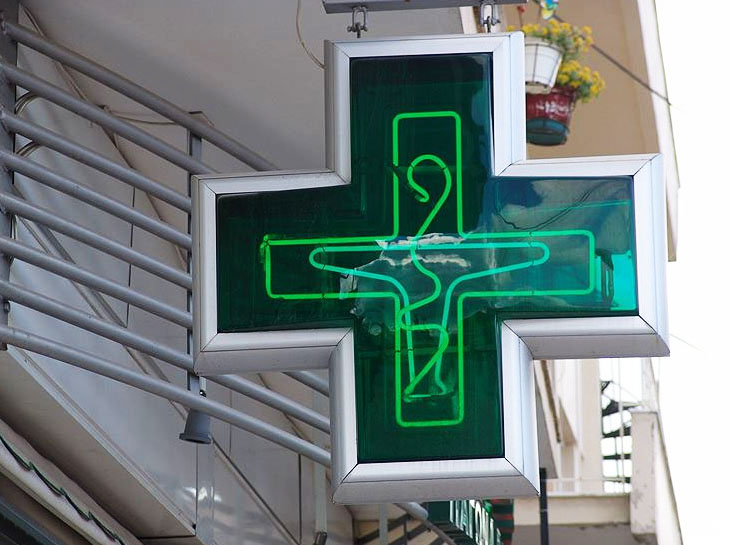
A neon sign can become a distinctive feature of a shop, window display or interior. Yet the word neon is often used for more than one construction. Traditional neon tubing and an LED application designed to resemble a continuous luminous line are not identical. Before choosing, clarify the technology and the visual result included in the proposal.
Understand the description
Traditional neon signs use shaped tubes to form lettering or a design. Their continuous luminous line gives the construction a recognisable character. An LED neon application aims for a related visual style using LED lighting within a suitable construction or flexible illuminated element. The appearance may be comparable, but the components and method of construction differ.
A photograph alone cannot establish what is being proposed. Ask for a clear description of the technology, materials and fixing method. Explore the neon sign portfolio for visual references when speaking with Prisma Art. Availability of a particular LED neon solution should be confirmed for your own design rather than assumed from the terminology.
Decide what the sign should communicate
A short business name, a symbol and a longer statement have different design demands. Consider the viewing distance and whether the sign should identify the premises or create an atmosphere within them. A decorative interior feature is not necessarily a suitable substitute for the main sign on a shopfront.
Lettering needs to suit the construction too. Very small details and tight curves can affect how a design is reproduced. Provide a clear logo file and discuss any adjustments before production. The aim is to retain the identity of the business while making the proposed design workable and readable at its actual size.
Consider the background and installation
The same illuminated line can appear different against a dark wall, glass or a pale surface. Discuss whether a backing will be visible, where cables will run and how the sign will look when switched off. Its daytime appearance deserves attention alongside the night-time effect. A thoughtful installation considers the entire space, not just a close-up of the lettering.
An outdoor position requires a construction suited to the conditions there. Do not assume that an interior decorative sign can be used outdoors without further assessment. Fixing, electrical connection and maintenance access should be considered for the particular installation by the appropriate professionals.
Compare like-for-like proposals
The technology name alone cannot establish a universal cost, running consumption or durability. Compare the same design and dimensions, request information about the proposed components and clarify what each quotation includes. Our LED lighting guide provides further questions to ask about illumination and access.
Use the contact page to share a photograph of the space, your intended message and approximate dimensions. A conversation based on an actual application is more useful than choosing solely by the label neon. It allows the visual effect and practical construction to be considered together.